
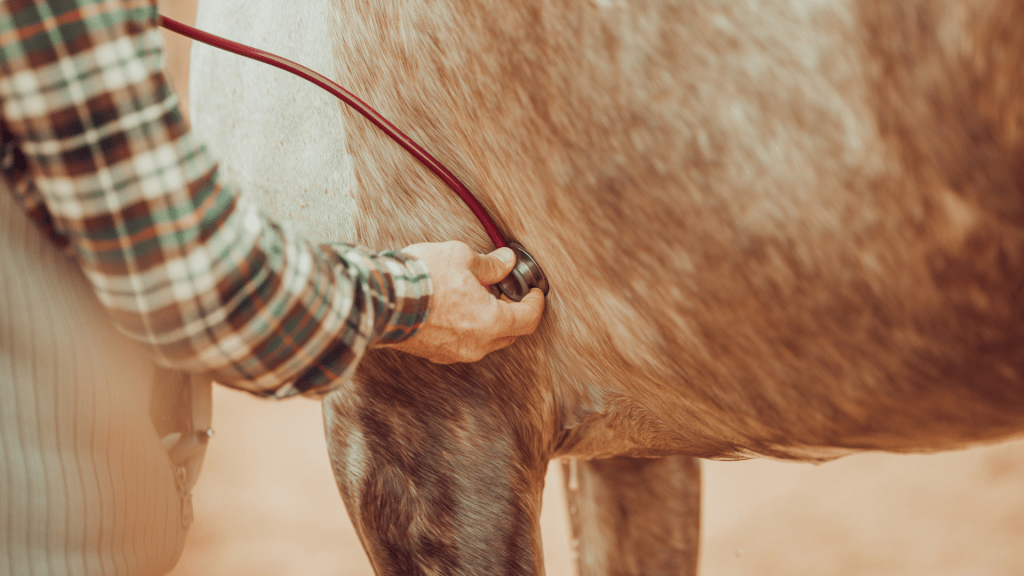
Coughing is a natural response to try and remove any debris or mucus in the respiratory tract. Whilst the odd cough may not be anything to worry about, any persistent cough or cough accompanied with other symptoms such as nasal discharge, loss of appetite or a temperature, do require veterinary attention. Here are some common causes of coughing in horses:
Allergies
Quite often with allergies it is seasonal. In the summer it could be pollen related, in winter it could be dust or mould spores from being stabled more frequently. Most horses with allergies tend not to have a raised temperature, but will have a cough and maybe some nasal discharge.
Treatment: It is important to seek advice from your vet so you can determine exactly what is causing the symptoms so you can treat accordingly. It may be something simple as putting them on a prescribed supplement for the season, using dust free bedding or steaming hay, feeding haylage instead of hay.
Equine Asthma (Also known as Inflammatory Airway Disease (IAD), Recurrent Airway Obstruction (RAO) or Chronic Obstructive Pulmonary Disease (COPD) & Heaves)
Is an inflammatory condition of the horses airways caused by environmental factors such as dust, mould spores or pollen. The inflammation and increased mucus then results in narrowing of the airways, making it harder for the horse to breath. There are varying degrees of the condition but more severe cases are usually described as Heaves due to the horse having to engage its abdomen muscles to breathe, thus creating that typical Heave line you can see.
Treatment: Sometimes changing something simple like, a different type of bedding or feeding steamed hay or haylage rather than dry hay, may be enough to reduce symptoms. But it is best to consult with your vet the severity of the issue first, some cases may need inhalers or nebulizers to deliver medication straight to the lungs to target the inflammation.
Pneumonia
There are many different types of pneumonia but essentially it is a lung infection that’s caused by a virus, bacterial or fungal infection and it can also be caused by a foreign body entering the lungs. Recognising the symptoms early and seeking veterinary advice is essential to treating the condition as it can be life threatening. Common early symptoms include coughing, nasal discharge, increased respiratory rate, fatigue, lack of appetite and mild fever.
Treatment: Is totally dependent on what type of pneumonia your vet finds but antibiotics, steroids and/or mucolytics are likely to be prescribed. It can take up to 4 weeks for a horse to fully recover, they will need plenty of rest. It is also recommended to feed forage off the floor to help any mucus drain out. The environment will need to be as clean as possible to prevent any dust or allergens entering the lungs whilst in recovery.
Influenza
Is a highly contagious airborne virus. But it is also spread via direct or indirect contact like horse to horse, groom to horse, sharing equipment etc. Symptoms can include, cough, nasal discharge that gets thicker as the virus progresses, loss of appetite, swollen glands around the jaw and increased temperature. Horses with Influenza are at risk of picking up secondary complications due to a reduced immune system.
Treatment: It is important to isolate the horse as soon as possible to prevent the virus spreading. Don’t cross contaminate any buckets, grooming kits, rugs etc between the infected horse and other horses. Keep the environment as clean, well ventilated and dust free as possible. There are no specific treatments for Equine Influenza and it can take several weeks of rest to fully recover.
 Elite Equine Salt Therapy