
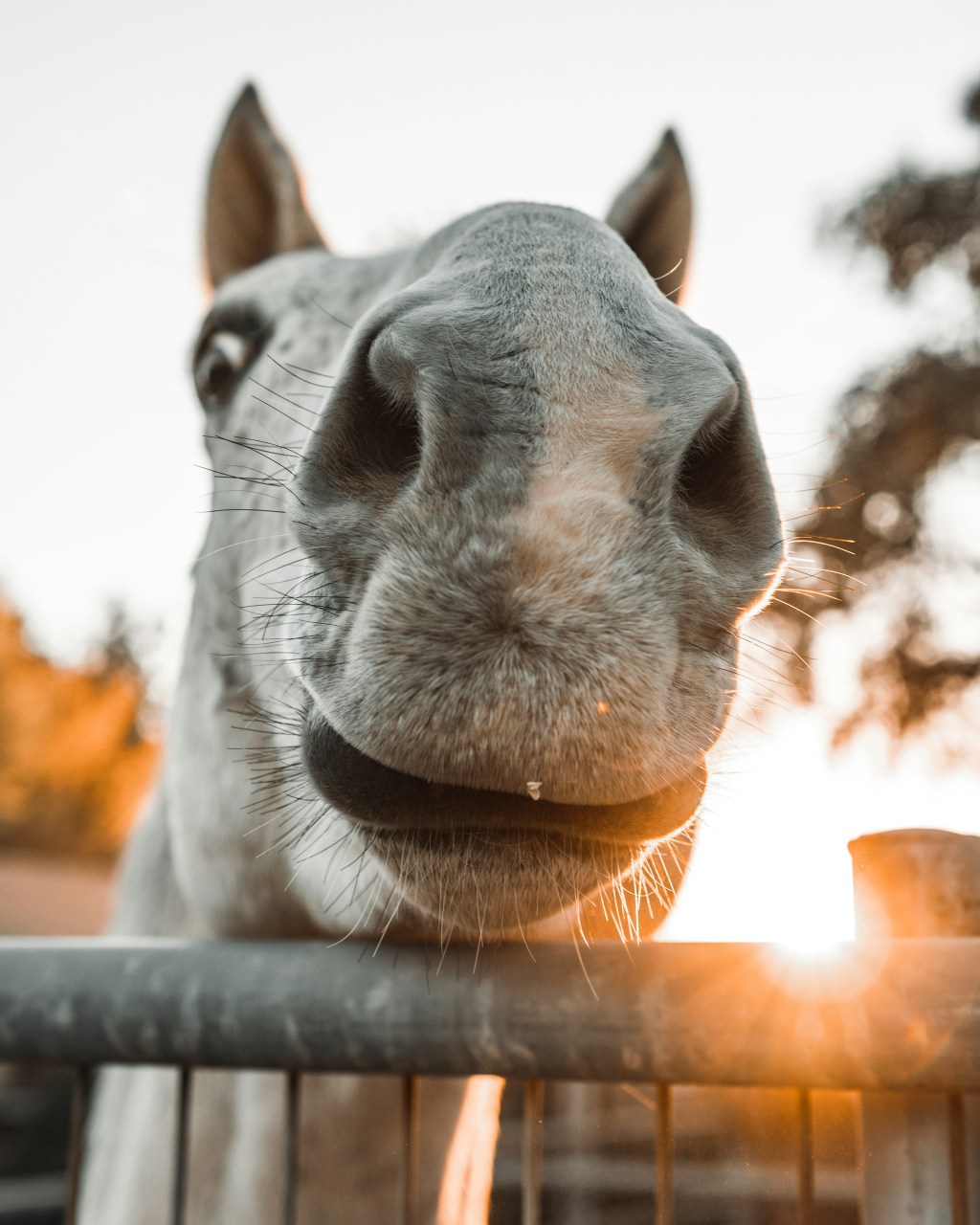
There are many reasons your horse could develop nasal discharge, from something simple like exercise to something more serious like a bacterial or sinus infection. You may find that a simple change in their routine such as steaming hay, changing their bedding or regular salt therapy sessions could be the answer to your horse’s respiratory issues. But I would always recommend contacting your vet in the first instance if your horse is experiencing discharge from the nostrils. It is also a good idea to take note of any other symptoms that your horse may be experiencing such as swelling on the face, discharge from the eyes, fever, is it just one nostril or both and has there been any coughing. All these can help your vet determine the cause of the problem and provide the right treatment. I have listed below all the different types of nasal discharge and what they could mean for your horse:
Clear and watery – In most cases it is fairly normal for your horse to experience a small amount of clear discharge after exercise. But in some cases it can be the first sign of allergies developing or a viral infection. Take note of when this discharge occurs to help determine the potential cause.
White – This usually indicates an allergy is present. Try to determine what is causing it. For example it can be a dusty arena, bedding, hay or even pollen. A simple routine change such as steaming hay or changing to haylage, changing their bedding, increasing turnout or bringing in during the day may be enough to solve it. But it may require treatment from the vet if it persists. There is also a possibility it could be the start of a bacterial infection. Keep a close eye on when it occurs and if it is accompanied by other symptoms and notify your vet.
Yellow/green – You will often find this colour discharge is also quite thick. A bacterial infection is likely to be present in the airways, sinuses or guttural pouches. If this discharge is just from one nostril (Unilateral) and accompanied by a horrible smell, it is probable that there is a tooth infection. Veterinary treatment will be required.
Blood – This may happen after strenuous exercise where blood comes from a hemorrhage in the lungs (Exercise Induced Pulmonary Hemorrhage Syndrome/EIPH). If a horse has bloody nasal discharge whilst at rest, there could be an infection in the guttural pouches. Another cause could be trauma, either from a kick or head injury. Blood from the nasal passages is an emergency and a vet should be called immediately. Horses can swallow a lot of blood so what you see from the nostrils may not be the full extent of the bleeding.
Feed in discharge & foamy saliva – There is a blockage of food in the esophagus, your horse has choke. This is usually accompanied by coughing, or trying to cough, shaking or lowering of the head, gurgling and visible distress. If the choke hasn’t resolved itself within 10minutes, call the vet. Your horse may need a muscle relaxant to help move the blockage. Unlike humans, your horse will still be able to breathe, however there is a risk your horse could be breathing in the food debris that’s being forced out through the nose. Do not try to flush the blockage with water, you may push food debris into the trachea which can then be breathed into the lungs and cause infection (Aspiration Pneumonia).
 Elite Equine Salt Therapy