
Category: Uncategorized
-
Reducing dust in horses stables
Research done in April 1999 by DR Colin Cargill, Principal Research Veterinarian, South Australian Research and Development Institute highlights some incredibly important points regarding stabled horses and how dust can affect their wellbeing and performance. Listed below are a few really key and interesting points from his research: “Dust appears to enhance both the prevalence…
-
Nebulisers vs Salt Therapy
Nebulisers convert a liquid medication or saline solution into an aerosol that the horse inhales whilst wearing the device over the muzzle. These are great for medications that need to be administered precisely such as antibiotics for infections or other medications for specific respiratory diseases that generally occur in the lower airways. If using the…
-

What is Sweet Itch?
What is Sweet itch and how salt therapy could help? For many horse owners dealing with sweet itch it can be a real battle to try and prevent your horse from itching themselves raw. You feel so helpless when your horse is so frustrated with that itch just won’t go away. You end up spending…
-
Understanding your horses nasal discharge
There are many reasons your horse could develop nasal discharge, from something simple like exercise to something more serious like a bacterial or sinus infection. You may find that a simple change in their routine such as steaming hay, changing their bedding or regular salt therapy sessions could be the answer to your horse’s respiratory…
-

How to improve the air quality in your horse’s stable.
Working as a groom in the equestrian industry I have visited all types of yards and stable set ups. But one thing a lot of them had in common was poor air quality. Stables covered in thick dusty cobwebs, layers of dust on water buckets and equipment stored nearby. Surely we could all do a…
-

The Science of Salt Therapy
Types of salt Natural salts, such as Himalayan salt, sea salt, and rock salt, often contain varying amounts of trace elements like bromine, calcium, potassium, and magnesium. Himalayan salt licks are commonly used in the equine industry to provide additional minerals to horses. Epsom salts, composed of magnesium, sulfate, and oxygen (MgSO₄), are primarily used…
-
Salt Therapy for the performance horse
Salt therapy for the performance horse can provide huge benefits pre and post competition. Keeping your horse’s lungs working optimally could just give you the edge you need this season. One of the best advantages to salt therapy is that it is 100% natural and drug free. Pre Competition – Regular sessions can help to…
-
5 Tips for healthy skin when clipping your horse
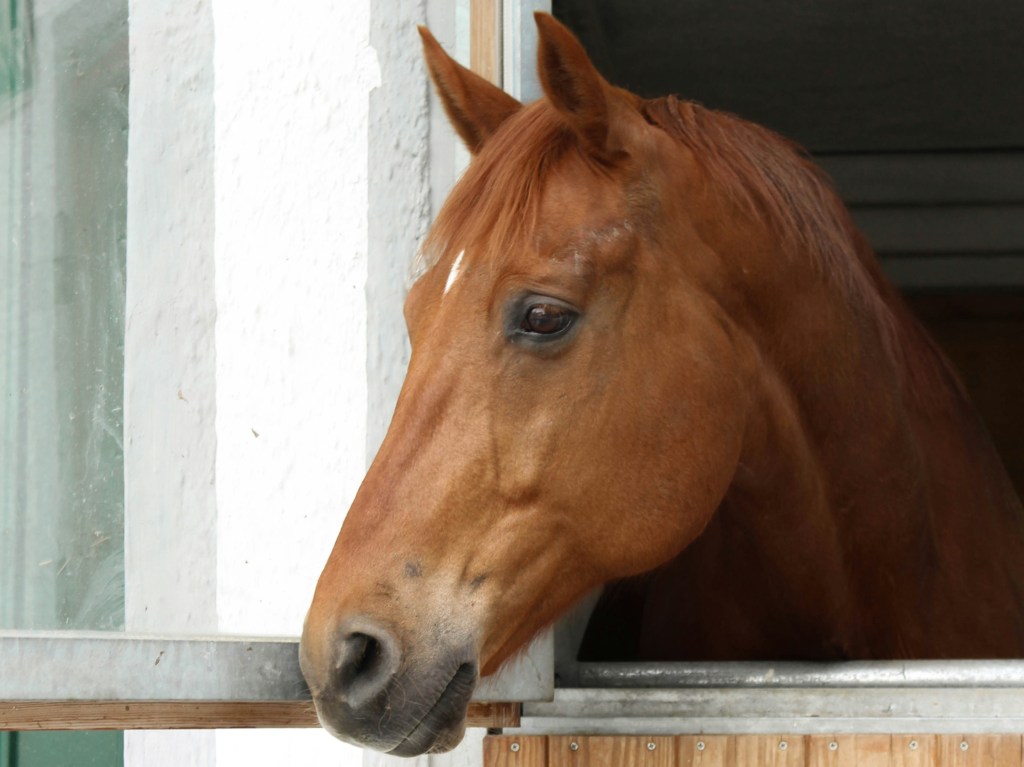
1. Bath your horse before clipping to lift the ingrained dirt and grime out of the coat. The cleaner your horse, the easier the clippers will cut, which reduces the blades from snagging at the coat, the less risk your clippers will overheat and irritate the skin. Making sure the coat is clean can also…
-

10 Common skin conditions in dogs and cats.
There are a number of different things that can cause your dog or cat to start itching and scratching, from food allergies to pesky fleas. This blog helps you to identify 10 common skin conditions and how to treat them. Feline AcneMostly found in the chin area of your cat, the symptoms can vary from…
-
What’s making my horse cough?
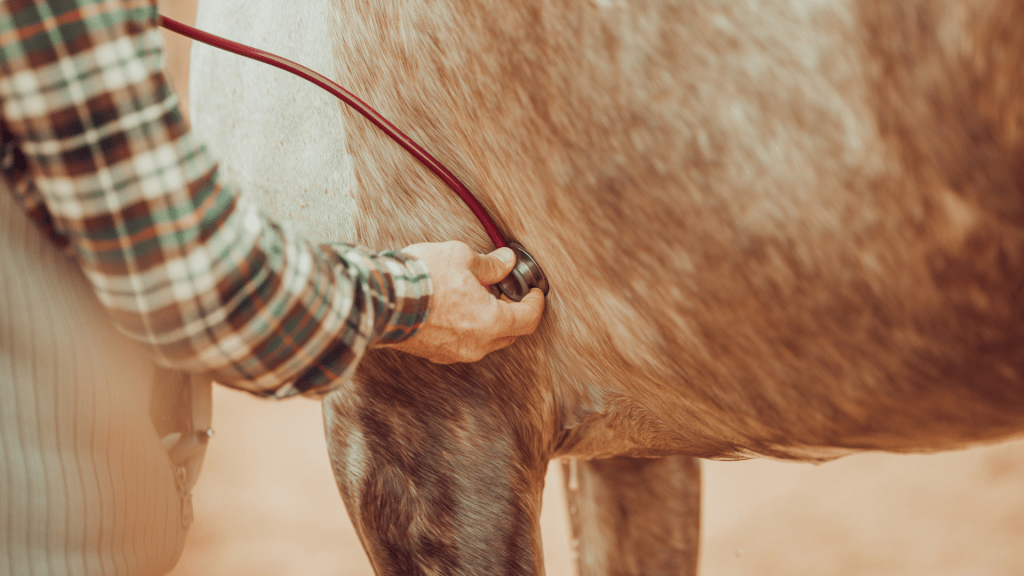
Coughing is a natural response to try and remove any debris or mucus in the respiratory tract. Whilst the odd cough may not be anything to worry about, any persistent cough or cough accompanied with other symptoms such as nasal discharge, loss of appetite or a temperature, do require veterinary attention. Here are some common…
 Elite Equine Salt Therapy